Software Stack Cost Growth in SMBs Relative to Productivity Gains
Disconnected tools create hidden costs that outpace productivity gains.
Small and medium-sized businesses are spending more on software faster than it is helping them get more work done. The gaps between tools, where unused licenses, manual handoffs, and constant switching consume the value the software should create, cause the problem. Closing that gap means building connected workflows.
Why SMB software spending is growing faster than the output it produces
The Leeds retailer’s Monday morning reconciliation shows what software can leave unresolved. The business has digital systems, yet someone still has to reconcile their information before it can support decisions. That work is needed because the data sits in different systems that update at different times. Instead of removing the delay, the stack leaves people responsible for bridging it. The business pays for software and then pays for the work needed to make its information useful.
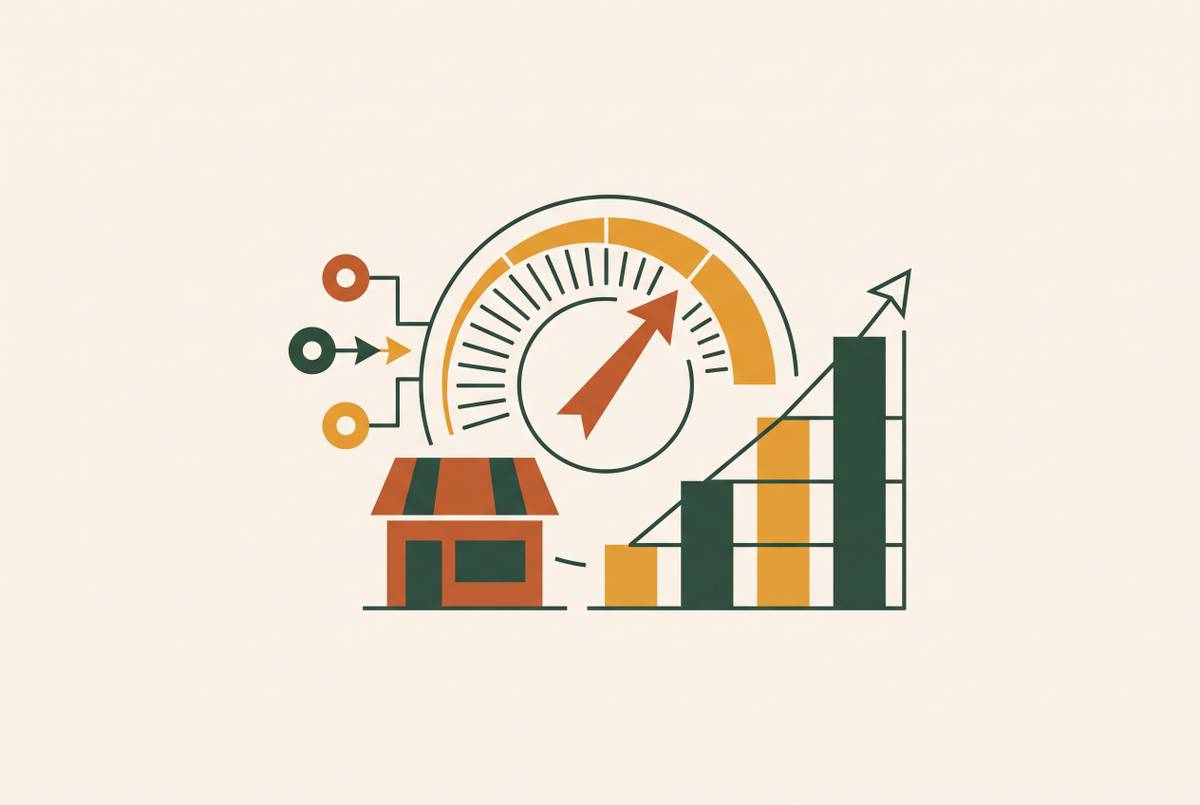
That tension matters because software spending is still rising. Analysys Mason projects that SMB IT spending growth will reach 8% by 2028, driven by cloud adoption, AI-capable platforms, and competitive pressure to digitize. As the cost of running a business rises, these purchases can feel like something it has to make to keep up. But a growing technology budget does not show whether the business is getting more useful work done. Spending is visible in the accounts, while its productivity return is harder to isolate.
The returns also depend on how deeply the software changes the work. Businesses that embed tools into real workflows report meaningful gains, while those that layer tools over existing processes report marginal ones. That distinction puts the focus on what happens between a purchase and a finished piece of work. A tool can do its own job well even when the whole process is still slow. To understand the spending gap, the unit of analysis has to be the whole stack.
How a lean two-tool stack becomes a fragmented ten-tool problem
A business rarely sets out to build a disconnected stack. It starts with a small set of tools and adds another when a real need appears. A CRM addresses one problem, a project tracker addresses another, and billing and scheduling tools follow. Each purchase makes sense on its own. The fragmentation comes from evaluating those purchases separately.
A well-run business can respond sensibly to each immediate need and still end up with a stack that works against it. The local benefit is clear when a team chooses its tool, but the cost of connecting it to everything else is less obvious. People and teams also add software without a central review, a practice often called shadow IT. So the official software bill may leave out some of the tools the business uses.
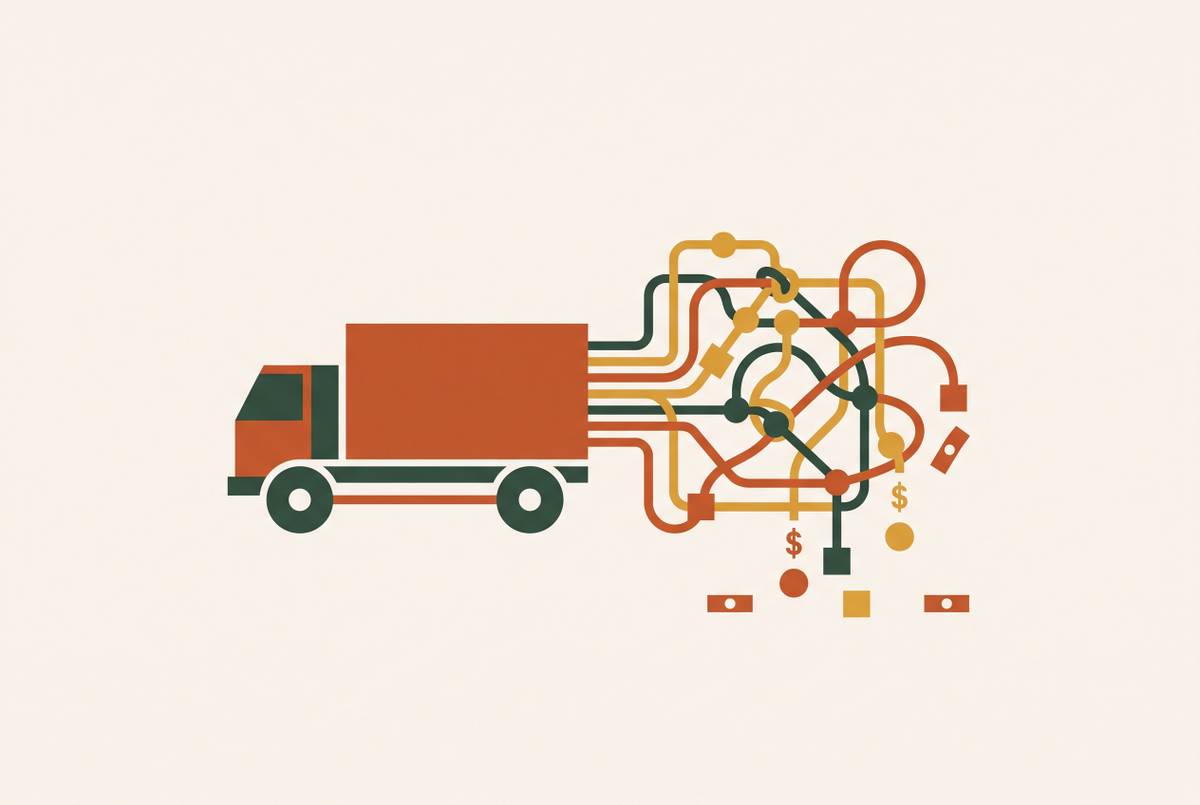
Each tool added also has its own per-seat license, renewal cycle, and data silo. The business is not just buying another function but accepting another set of ongoing obligations. Meanwhile, information the business needs to share can stay trapped in tools that do not connect. People then become the connection, carrying data and context from one system to the next. A lean stack becomes a fragmented one when these handoffs multiply faster than the tools remove work.
The number of apps alone does not define the problem. The tools need to work together from start to finish without people having to step in again and again. A ten-tool stack makes the risk easier to see, but the same break can exist between two systems. Once manual reconciliation consumes hours every week, the business has reached a structural limit. More software has not removed that limit because the connections, rather than the individual tools, are what is missing.
The three hidden costs that make the real bill much larger than the invoice
The first hidden cost is shelfware, which is software paid for but not meaningfully used. It includes seats for people whose roles have changed, higher-tier features nobody uses, and apps for problems the business no longer has. The charge appears on the invoice, but the waste does not announce itself. Without a clear view of actual use, a business can treat these payments as the normal cost of operating. The hidden part is the distance between what it buys and what its people use.
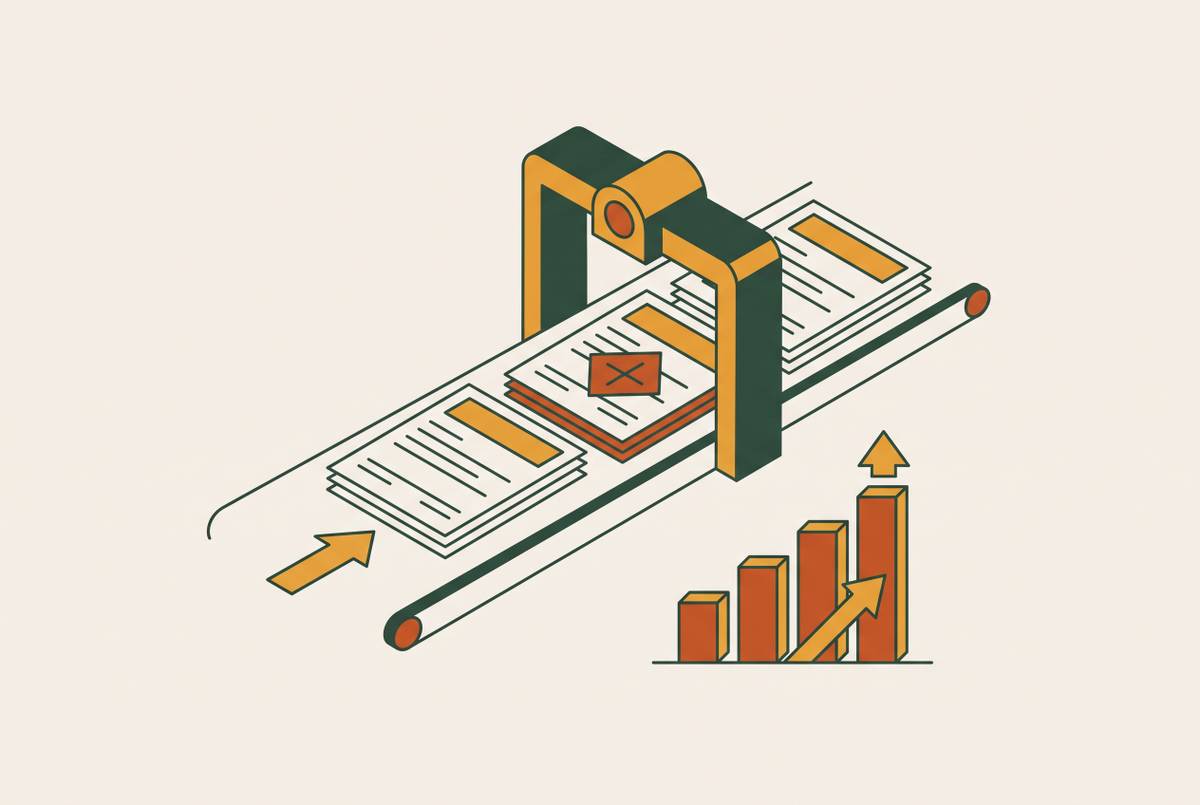
The second cost is integration labor. A bookkeeper who spends several hours each week entering sales data from a POS into accounting software is doing work left over because the systems do not connect. That cost looks like everyday admin work because it is recorded in payroll.
The third cost is context-switching drag. Workers moving between disconnected platforms spend time reorienting, waiting for apps to load, and reconstructing context held elsewhere. These interruptions are easy to overlook because each one can seem minor. Their cost is spread across people and working hours.
Shelfware consumes money without delivering use, integration labor consumes time moving information, and context-switching consumes attention. The latter two are especially hard to separate from the normal working day. As more disconnected tools enter the stack, the gap between the invoice and the real bill widens.
Why rising costs do not automatically produce rising productivity
Software can make one step easier without helping the business get much more work done from start to finish. A calendar app saves a few clicks, while integrated scheduling, intake, and CRM can eliminate a category of manual work.
That makes implementation depth more important than tool count. A worker using a tool still has to manage the steps around it unless the workflow changes too. By contrast, a system that runs a process can remove the handoffs that previously depended on that worker. Buying more capability does little if the business continues to operate in the same way.
Freed capacity can disappear into inboxes and meetings unless it is redirected into work that produces something. The productivity test is therefore not simply whether an app saves time at one step. It is whether the changed workflow turns that saving into a useful result. Adding tools to an unchanged, fragmented process is more likely to expand its costs than to close its productivity gap.
How the stack becomes the bottleneck: the compounding problem over time
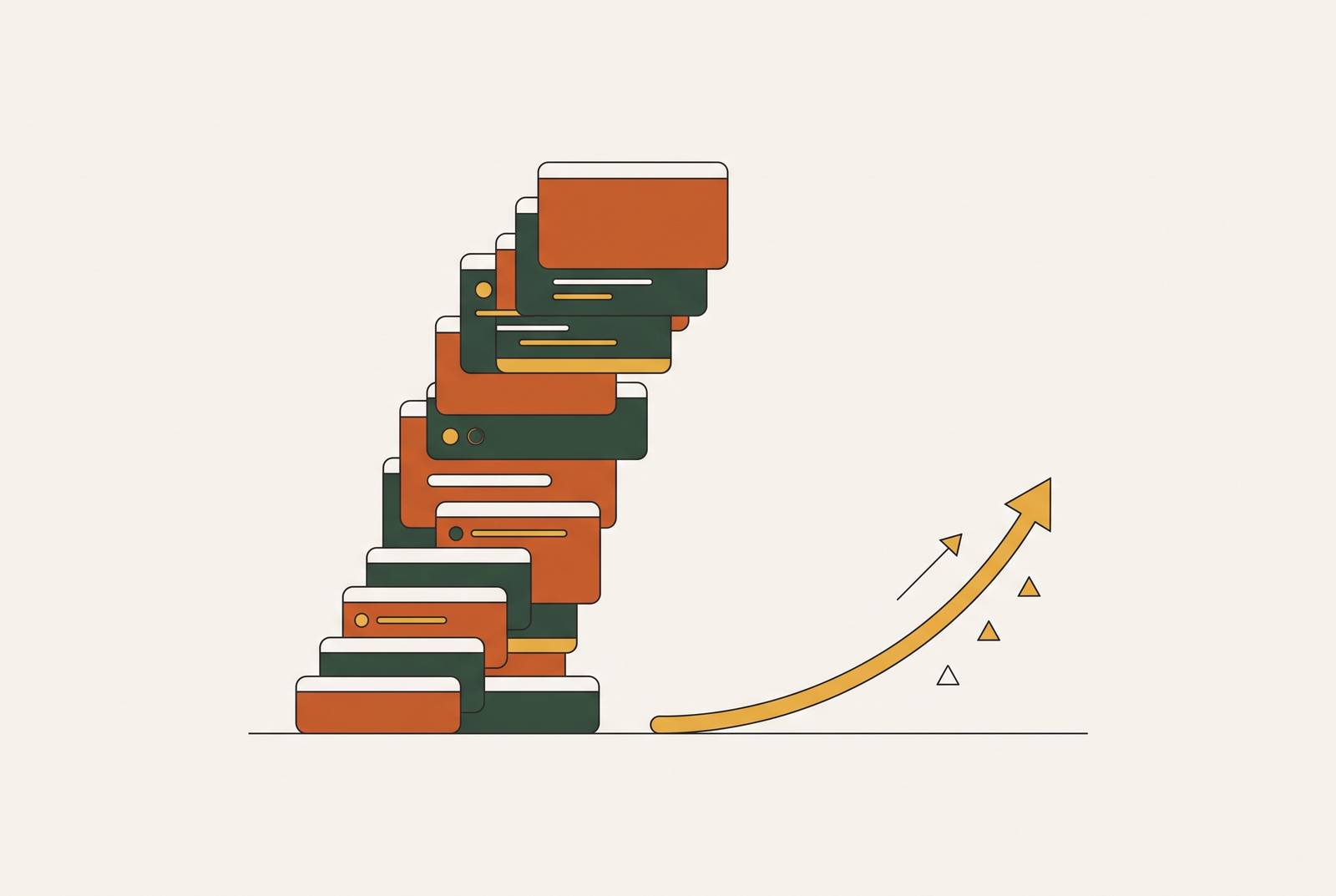
If nothing changes, the gap does not stay fixed. Per-seat licensing raises the software bill with each new hire, before that person has produced any work. If new staff bring their preferred tools, the stack can fragment further. The business then carries both a larger subscription base and more disconnected ways of working. Growth magnifies the weakness that was already there.
The manual bridges also become harder to remove. A workaround may begin as a temporary way to move information between systems. Over time, it becomes load-bearing because normal operations depend on it. This is integration debt, which is the unresolved work of connecting systems that people keep covering through manual effort. Deferring that work makes later consolidation harder and more disruptive.
When data lives in three places and changes on different schedules, management information can be slightly wrong and slightly late. The Leeds retailer’s Monday morning reconciliation is an example of that pattern. The delay is not just the time spent preparing information but the wait before that information can guide the business. A stack can therefore slow the people doing the work and the people deciding what work comes next.
This is the technology wall. The business reaches a point where taking on more clients, moving faster, or adding a service line seems to require more headcount because people must keep bridging the systems. What looks like a capacity problem is, in this case, a systems problem. The tools have stopped enabling growth and become one of its constraints. Addressing the gap earlier matters because each new dependency makes that constraint harder to unwind.
What closing the gap actually requires: consolidation, integration, and embedded automation
The practical response begins with consolidation, but the aim is not simply a smaller bill. Auditing the stack can identify tools that are redundant, underused, or disconnected from the work they should support. Removing them creates value when it makes the remaining system more coherent. The cheapest collection of subscriptions is not necessarily the least expensive way to run the business. The better target is a stack that needs less human effort to function as a whole.
Integration closes gaps left after consolidation. An automated Xero connection that posts daily sales data directly from a POS illustrates the point. Xero’s App Store lists POS integrations with automatic daily sales syncs. It cuts manual entry right away and gives managers up-to-date, accurate information without having to reconcile it each time. The connection changes both the work required and the usefulness of its result.
Embedded automation goes further by working inside the process people already follow. Salesforce’s Slackbot has an agent that reads existing workflows and updates the system of record without asking staff to switch tools. That placement matters because the automation does not depend on people adopting another separate interface. A tool outside the workflow still needs someone to remember to use it.
An added interface can reproduce the adoption and switching problems that made the stack expensive in the first place. Automation inside the workflow does some of the work people had to do to bridge the systems. Its return can compound as that workflow continues to run.
Why most SMBs are stuck at the tool-user stage and how to move past it
Most SMBs using AI or digital tools remain at the prompt-and-click stage. They have access to capability but still depend on people to initiate tasks and connect the results. This is not always a sprawling-stack problem. Many small businesses have relatively few paid subscriptions, yet even two or three tools can leave a costly gap if they do not connect. A smaller stack limits the number of purchases while potentially leaving the integration work unchanged.
The businesses that say they have gained the most in productivity have gone beyond using AI mainly as a prompt interface. They run it inside a small number of workflows that would otherwise require manual work. That shift depends on workflow design. But most SMBs lack a dedicated IT function and cannot budget for a full-time AI or integration engineer. A six-month implementation project with results arriving only at the end is also a poor fit for those constraints.
The desired client outcome is a working process that removes a high-leverage bottleneck and pays back through the first system. SANSA’s model is designed around that outcome, with a two-week diagnosis, a production-ready system, and ongoing embedded support. The specialist identifies the bottleneck, builds around it, and stays involved as the system develops. This differs from selling another tool because the engagement centers on a process that works. It also differs from adding a generalist whose time would still be needed to hold disconnected tools together.
The access point is what makes that model relevant to SMBs. Work that previously called for a full-time hire or a six-figure consulting engagement can be approached through a scoped engagement. The business does not need more tools for their own sake, but access to the systems that turn existing effort into output. That access is no longer reserved for larger businesses. The way past the ceiling is to stop making people act as the connection between tools and build that connection into the work itself.